All are true about separation anxiety disorder except: A. The prevalence is 3.5% to 5.4% B. Comorbidity is common C. Prevalence is higher in girls D. Average age
Which of the following is the fastest growing developmental disorder? A. Specific learning disorder B. Intellectual developmental disorder C. Childhood onset fluency disorder D. Autism spectrum disorder Correct
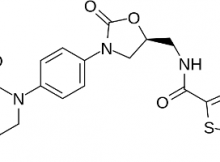
It is used in the prevention of deep vein thrombosis after hip and knee replacement surgery.
Rivaroxaban is also used for treatment of deep vein thrombosis in higher doses.
Stroke
Rivaroxaban is an anticoagulant belonging to the category of:
A. Factor Xa inhibitor
B. Direct thrombin inhibitor
C. Vitamin K antagonist
D. Low molecular weight heparin
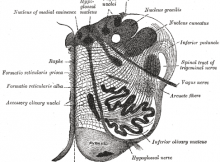
Which of the following is not a part of Wallenberg syndrome?
A. Ipsilateral Horner's syndrome
B. Ipsilateral loss of taste
C. Contralateral loss of pain sensation of the arm
D. Contralateral
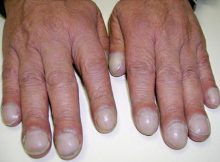
Regression of clubbing can occur after corrective surgery for cyanotic congenital heart disease as they become acyanotic after surgery.
Regression of clubbing after treatment of lung cancer is well
PG Blazer is aimed at helping undergraduate medical students in acquiring more knowledge and increasing their chance of getting admission to postgraduate courses by performing well in the post graduate medical entrance examinations. Students are requested verify the accuracy of information in standard text books. This site is not meant for any medical advice or treatment. Please contact your physician for medical advice and treatment.